Customers Don’t Know the Service Name
People arrive with a problem but may not know whether it concerns law, land, design or accounting.
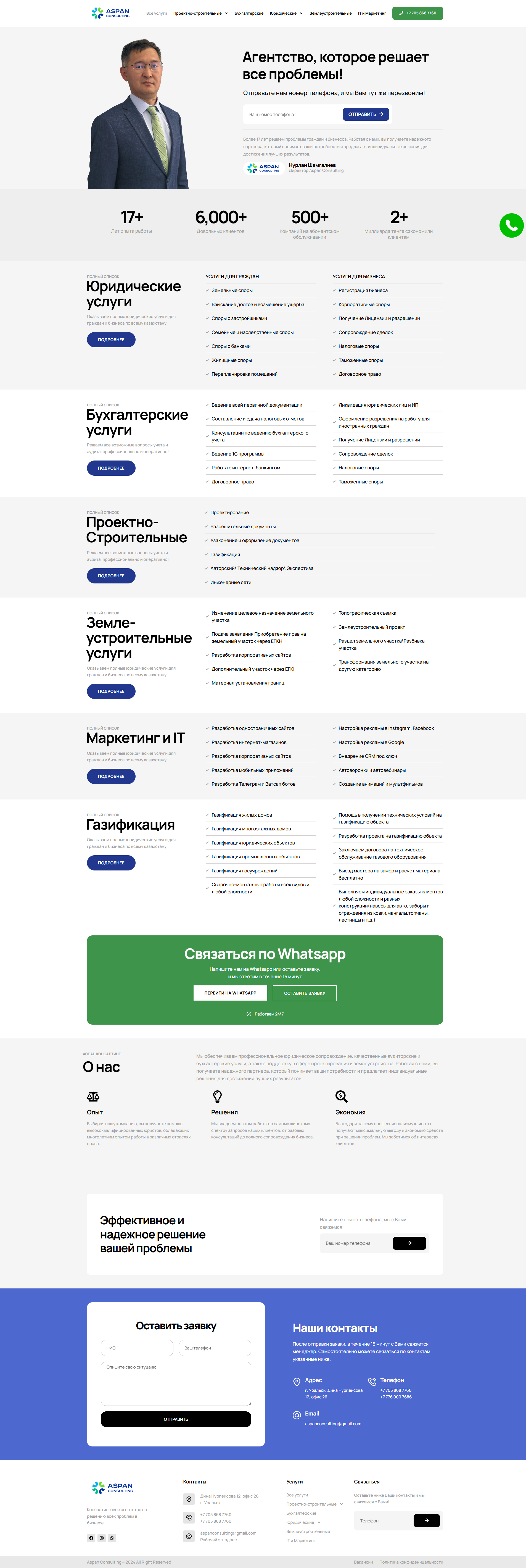
We divided the offering into major service areas and specific real-life needs, each with its own landing page.
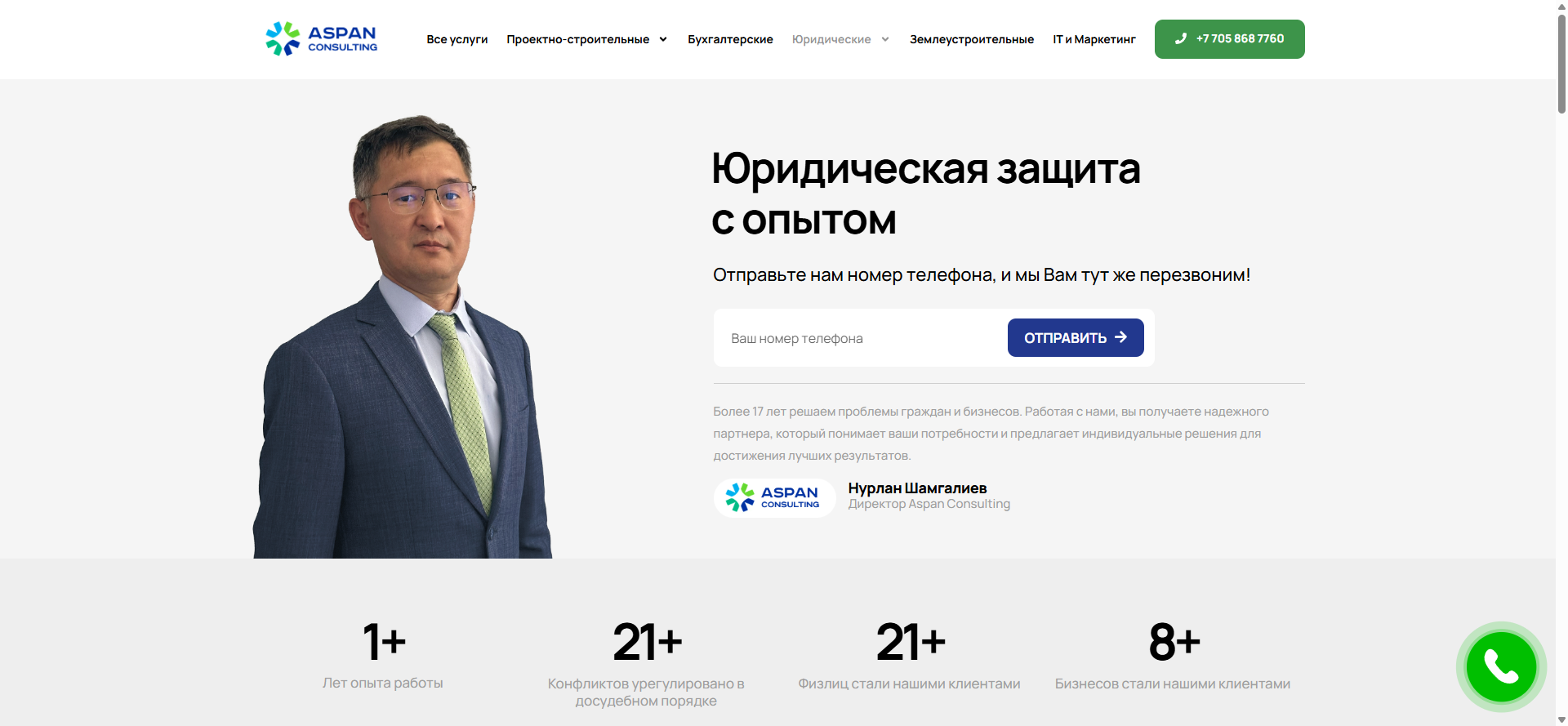
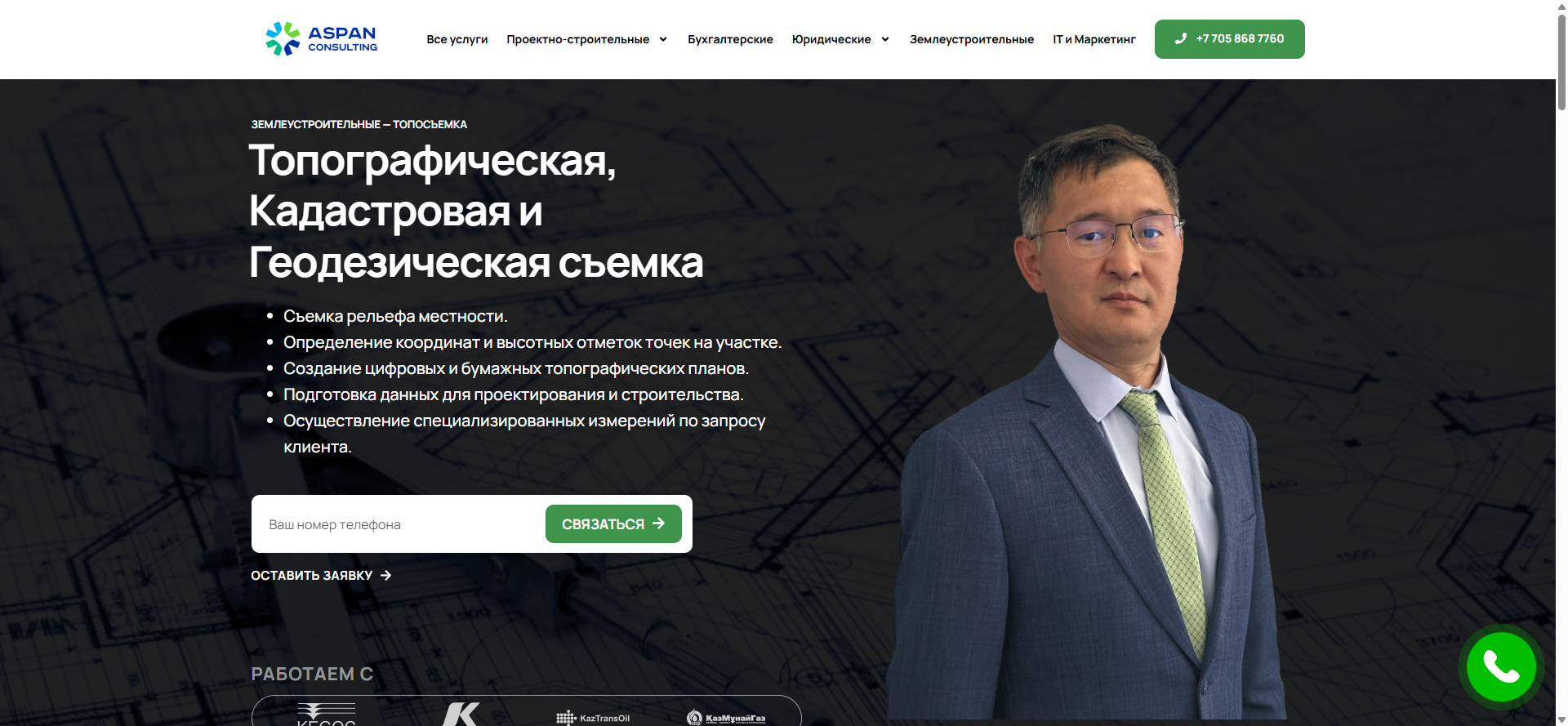
A corporate website for a diversified company: four complex business areas transformed into clear landing pages and a short path to consultation.

Aspan Consulting helps individuals and businesses with legal, accounting, design and construction, and land management matters. Without a clear structure, a large catalog becomes a professional directory: visitors cannot tell where their situation belongs, whether to trust the company or how quickly they can get an answer. We built the website around client needs, evidence of expertise and direct inquiries.
People arrive with a problem but may not know whether it concerns law, land, design or accounting.
We divided the offering into major service areas and specific real-life needs, each with its own landing page.
Documents, funds and deadlines cannot be entrusted to a faceless company based on an advertising promise alone.
We featured the actual company director, areas of expertise, experience and direct contact details at key points on the page.
Every new enquiry begins with a lengthy explanation of the scope of work and service boundaries.
Each page explains the service area, lists relevant needs and prepares the client for a focused discussion.
Visitors call, send a message or leave their contact details, but the path to action is too long.
We placed phone, WhatsApp and short forms throughout the user journey; enquiries are stored in the administration panel.
The architecture was verified using the supplied documentation, application structure and genuine product screens.
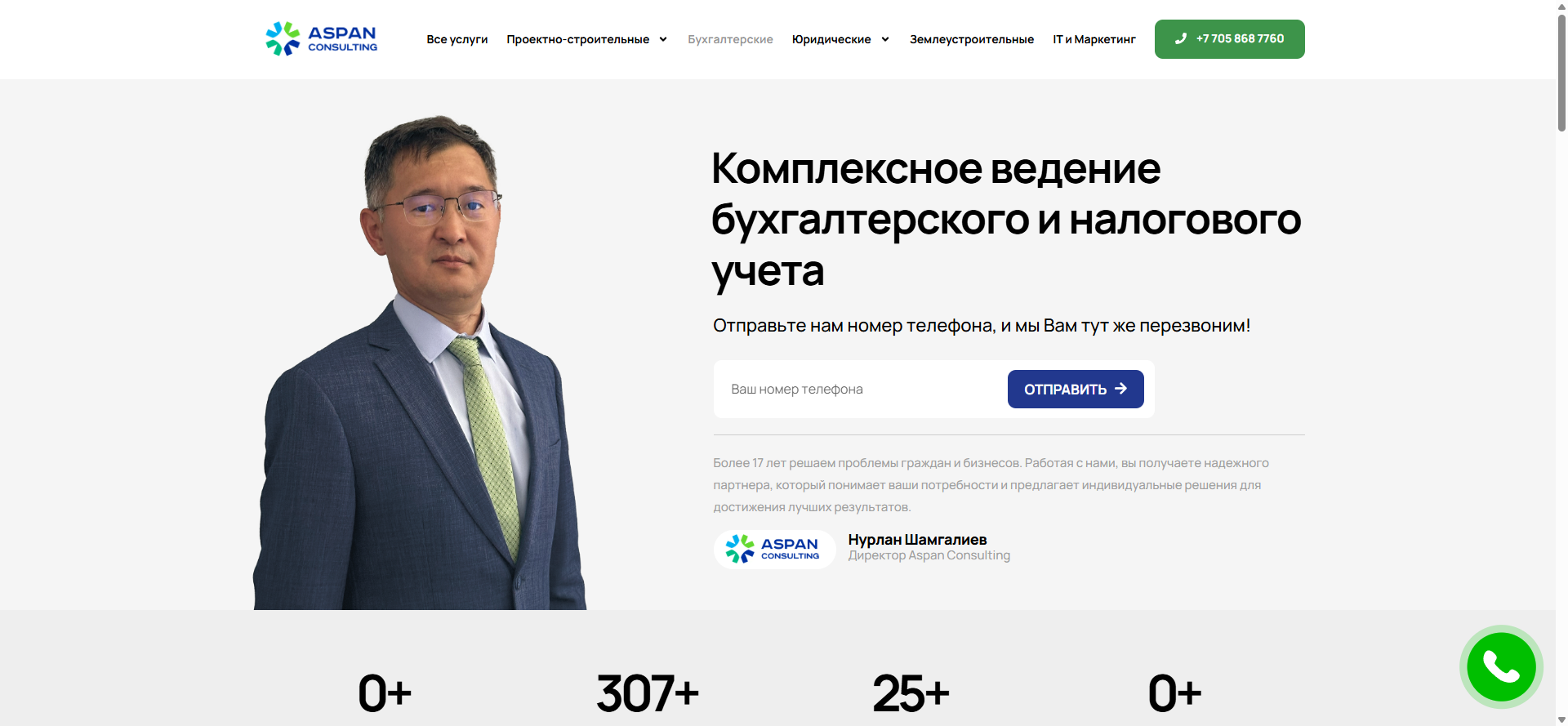
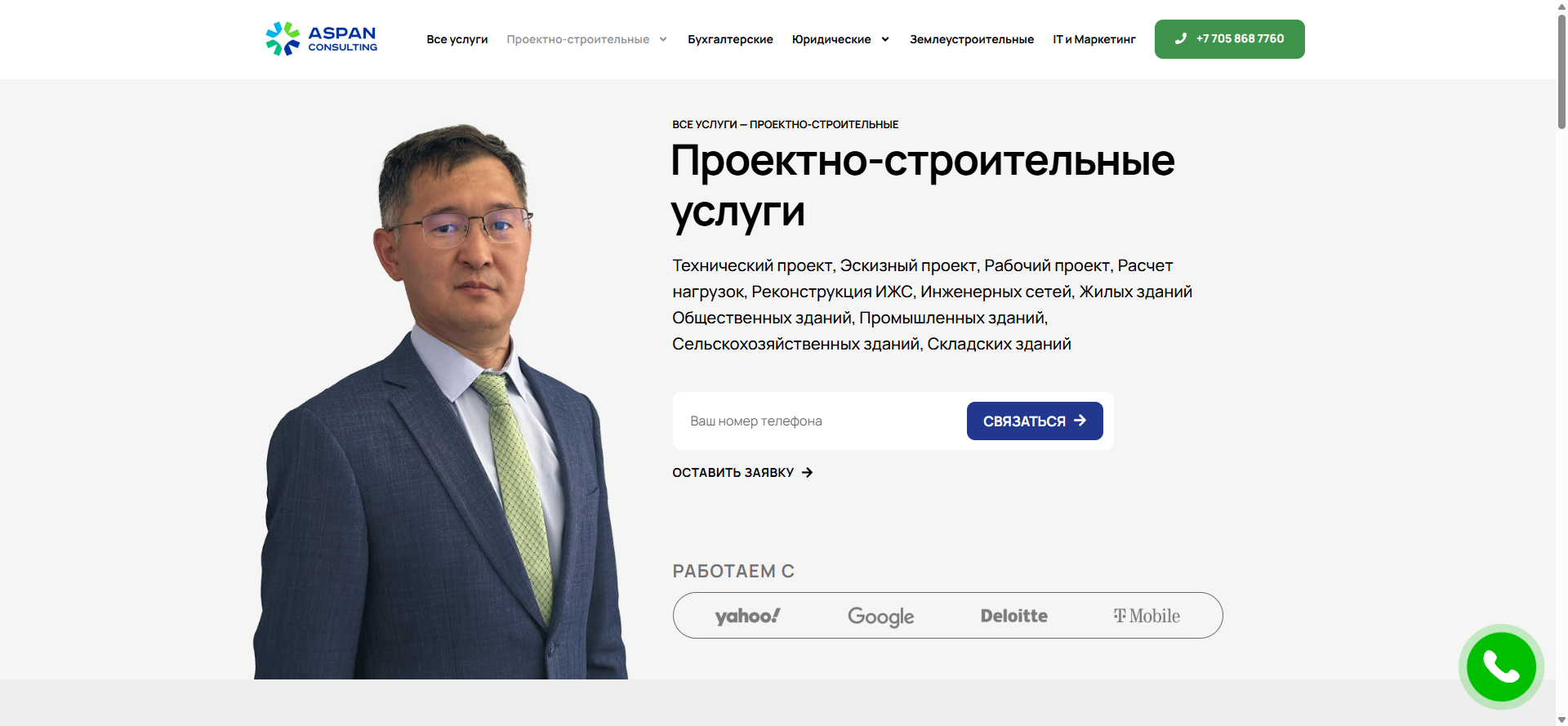
The legal section builds personal trust, accounting focuses on concrete operational outcomes, design and construction presents professional services, and land management explains specialized procedures and documents. A shared header and consistent CTAs maintain one brand while respecting different user needs.


Legal, accounting, design and land management services
Value proposition, scope, expert, trust and CTA
Phone, comment, form source and submission time
Director, specialization and contact details
Phone numbers, WhatsApp, address, social links and footer
Title, description, canonical, slug and social preview
Quick navigation between areas and subtasks
A phone number instead of a lengthy initial enquiry form
Messaging Access Remains Available on Long Pages
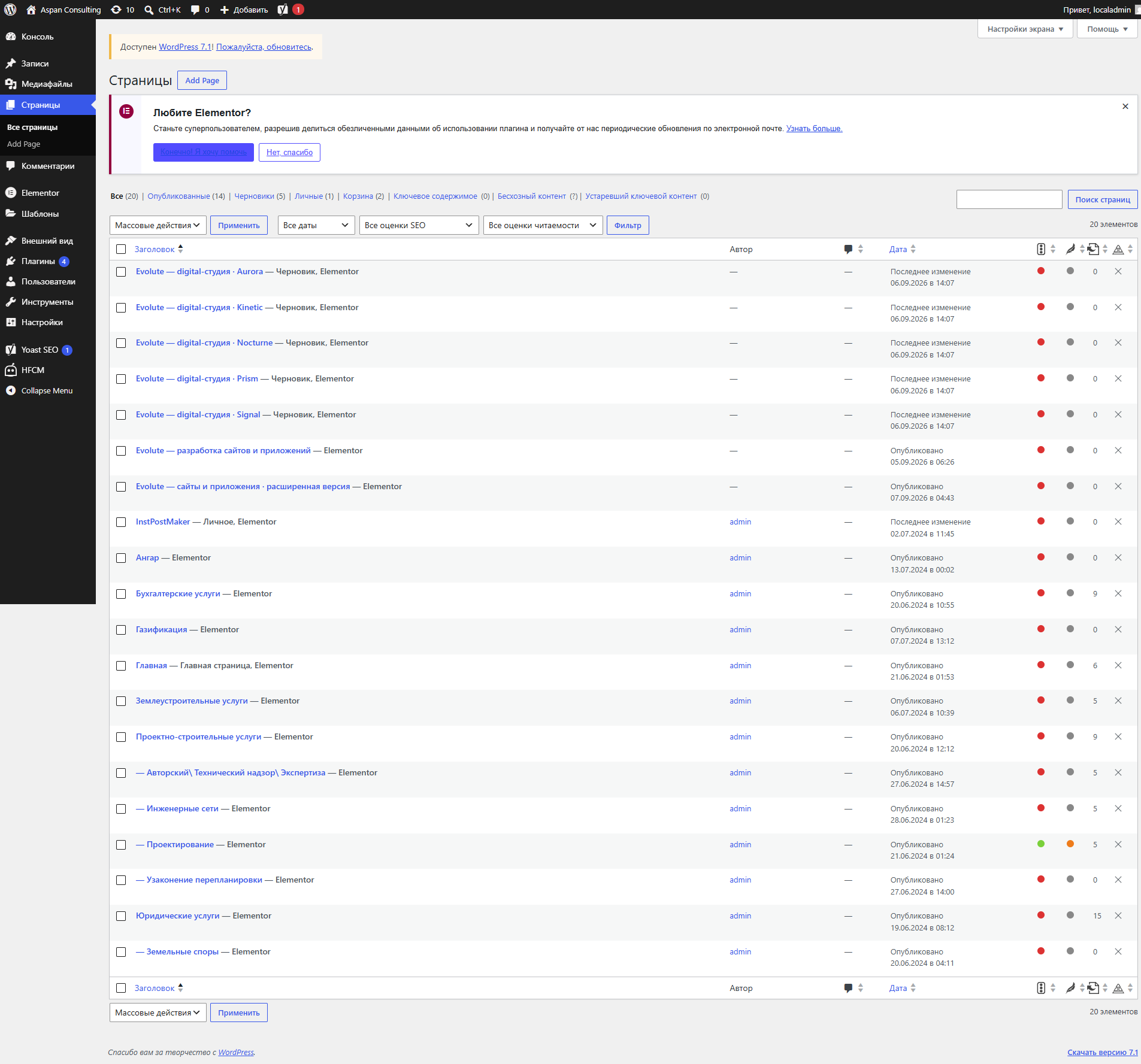
Text, images and blocks can be changed without touching code
Dedicated service pages provide landing destinations for organic search, paid search and links shared by managers. Readable URLs and Yoast SEO support individual titles, descriptions and canonical URLs. Further development includes consistent metadata templates, Service, LocalBusiness and BreadcrumbList JSON-LD, form and WhatsApp analytics events, and linking inquiries to campaign sources.
Marketing counters for experience, clients and resolved disputes require owner approval before publication. They are not treated as verified project results in this case study. WP Rocket and WooCommerce are present in the file copy but were inactive in the reviewed configuration.
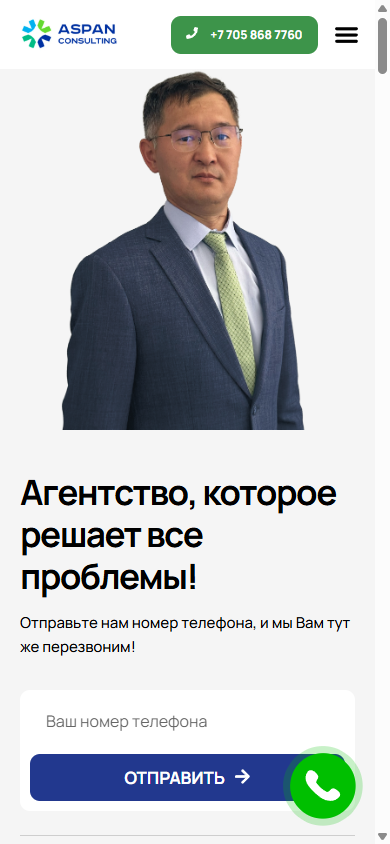
The mobile version retains the recognizable brand, prominent heading, expert portrait and short form. Navigation collapses, buttons remain easy to tap, and phone and WhatsApp links are accessible without searching the footer.

WordPress and MariaDB run in separate Docker containers on loopback.
Pages are edited in Elementor, while shared data is managed through the CMS.
Elementor Forms stores enquiries in the administration area.
WP-CLI is used to maintain the local copy.
Email delivery and automatic updates are disabled in the local environment.
The active stack was distinguished from plugins merely present in the file copy.


The website provides a foundation for sales, SEO and advertising: individual services can be promoted independently while maintaining a consistent brand and a unified enquiry-handling process.
We will analyse the audiences, content, integrations and search demand, then design the structure and technical architecture before visual design begins.
Discuss the Project ↗Back to Case Studies